
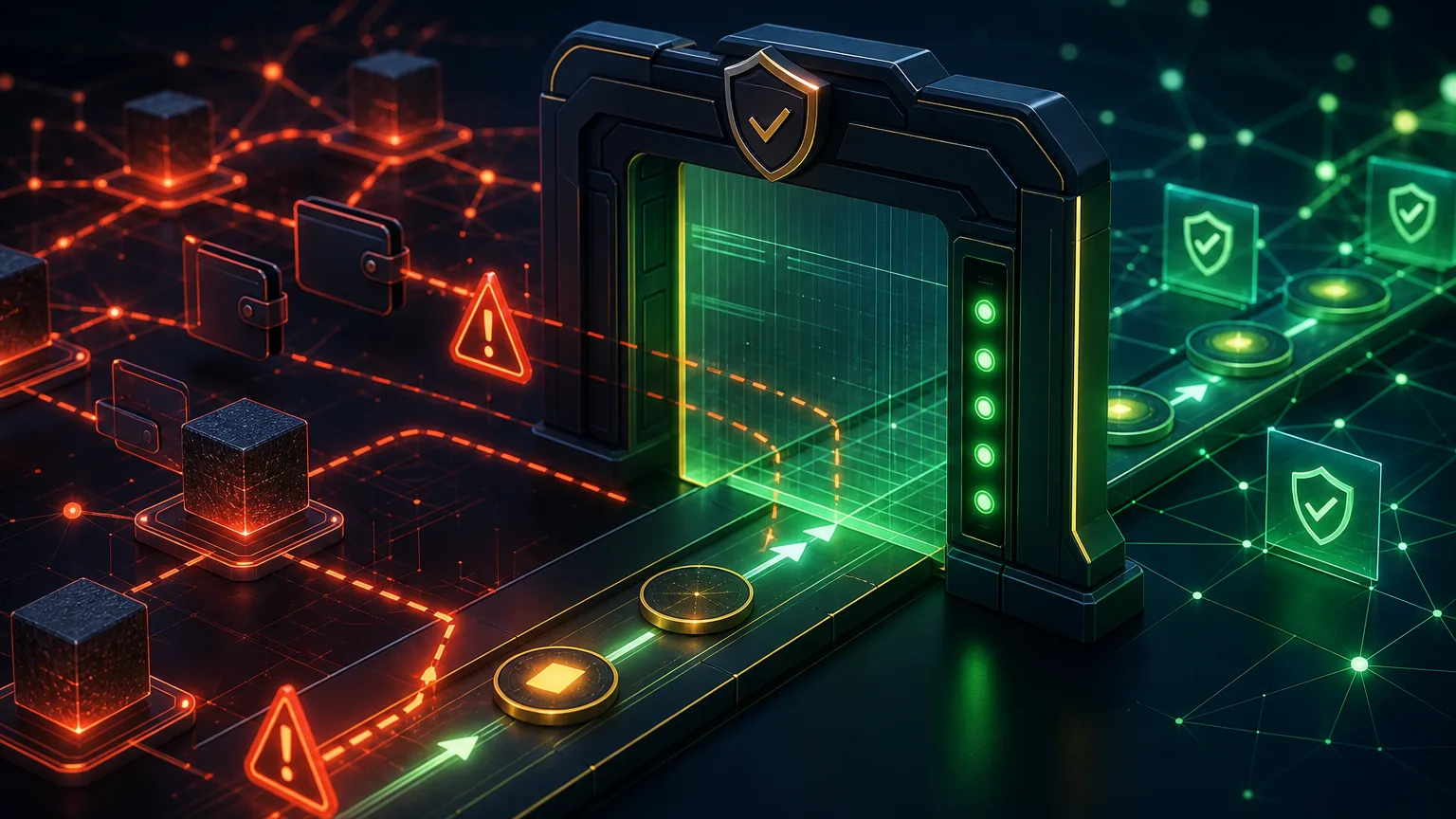
Crypto sanctions headlines can sound far away from normal users: government lists, illicit wallets, enforcement agencies, scary acronyms. Then an exchange freezes withdrawals, a wallet gets flagged, or a transaction route becomes radioactive, and suddenly the plumbing matters.
The point is not that ordinary users should panic. It is that crypto is still a financial network with gatekeepers, chokepoints, and compliance risk.
Sources: the U.S. Treasury posts sanctions updates on its press-release page. CoinDesk reported on a Treasury action involving more than 100 ISIS-K crypto addresses. For investor education, see Investor.gov's crypto assets spotlight.
Why sanctions can touch regular users
Sanctions rules are aimed at blocked persons, entities, wallets, and networks. But exchanges and custodians have to monitor more than the obvious bad actor. They may screen deposits, withdrawals, transaction history, counterparties, and related addresses.
That can create second-order problems. A user may receive funds that passed through a risky wallet. A trading venue may halt activity while it reviews exposure. A token or chain may lose liquidity if market makers, custodians, or payment partners step back.
Crypto moves fast, but compliance reviews do not always move on crypto time.
The practical risk checklist
If you use centralized exchanges, custody apps, bridges, or DeFi protocols, the sanctions story boils down to a few questions:
- Does the platform explain how it handles blocked wallets or tainted funds?
- Are withdrawals dependent on a single exchange or custodian?
- Could a bridge, mixer, or obscure counterparty make future transfers harder to clear?
- Is liquidity coming from reputable venues, or from places that may disappear when scrutiny rises?
This is one reason Daily Money Radar treats crypto risk as more than price volatility. The AI trading bots risk checklist covers similar hidden plumbing problems, and why Bitcoin prices move explains how liquidity and market structure can matter as much as the headline.
What not to assume
Do not assume a token is safe just because it trades. Do not assume a wallet is clean just because a block explorer shows a normal-looking transaction. And do not assume decentralized tools are immune from real-world pressure. Front ends, developers, validators, stablecoin issuers, exchanges, and custodians can all become pressure points.
This article is educational only and is not personalized legal, tax, investment, or compliance advice. If a specific transaction, wallet, or business relationship raises sanctions questions, that is a lawyer/compliance problem, not a vibes problem.